What Are Corrective Braces?
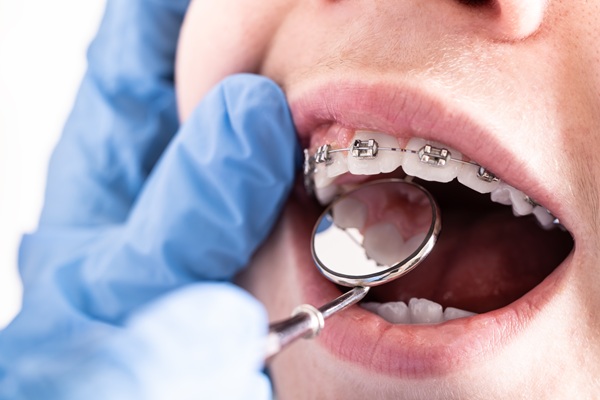
Corrective braces are ideal for achieving an attractive smile as they can create a symmetric and even smile. This can also provide oral health benefits and reduce the risk of concerns like cavities. In this review, we discuss the basics of corrective braces to help you decide if they may be right for you.
Corrective braces explained: Definition, benefits, and more
Here is everything to know about corrective braces, so patients can be well-informed before visiting an orthodontic professional for a consultation. We define corrective braces, highlight the benefits, and discuss when a dental or orthodontic professional may recommend them.
Corrective braces defined
Corrective braces are a form of orthodontic treatment that uses metal brackets and wires. With this method of orthodontic care, teeth are shifted into their proper position over time. There is a range of corrective braces types:
- Traditional (metal) braces
- Ceramic braces
- Lingual braces
- Invisible braces
The best type of corrective braces depends on the patient's preference and the severity of the misalignment that needs to be addressed. For instance, invisible braces may work well for an adult with a mild misalignment, whereas someone with a severe misalignment may require metal, ceramic, or lingual braces.
Issues corrective braces fix
Corrective braces are the most effective orthodontic solutions for treating all types of teeth and jaw misalignments. They can treat mild to severe cases. Specifically, the types of issues that corrective braces can fix are:
- Overcrowding
- Gapped teeth
- Crooked teeth
- Protruding teeth
- Underbite
- Overbite
- Crossbite
Corrective braces benefits
Many people are familiar with the cosmetic benefits of corrective braces, including a more symmetric smile. Most patients feel that this gives them more confidence and is more attractive to others. There are also oral health benefits of corrective braces. For instance, a straight smile makes it easier to protect all areas of the teeth and reduces the risk of cavities, oral infections, and gum complications.
Treatment process
The treatment process for corrective braces begins with a consultation. During the first visit, the dental staff can evaluate the patient's teeth and jaw alignment and recommend a treatment plan. The patient may choose the type of corrective braces on this visit before scheduling a follow-up to start the process. Some patients may require specific restorative procedures before starting corrective braces, including dental fillings, gum disease treatment, and teeth extraction.
Once the mouth is prepared, the dentist installs the braces, which usually involve metal or ceramic brackets and wires (clear aligners do not require metal brackets and wires). The wires are tightened periodically as teeth move into their proper positions. After treatment, the patient is given a retainer to ensure that the teeth do not shift back to their original positions. Overall, the process can take six months to two years.
Contact our orthodontic office to schedule a consultation
Are you considering corrective braces? If so, then contact our office. We take genuine pride in helping our patients achieve an attractive and healthy smile that gives them the confidence that they deserve each day. So, why wait? Get in touch today, and schedule a consultation at a time that is convenient for you.
Request an appointment here: https://www.brooksideorthodontics.com/ or call Brookside Orthodontics at (209) 229-4009 for an appointment in our Stockton office.
Check out what others are saying about our services on Yelp: Corrective Braces in Stockton, CA.
Related Posts
There are many benefits to choosing clear aligners for your orthodontic treatment. But it is crucial to take proper care of them to avoid a wide range of problems. Clear aligners are ideal for individuals who want a discreet way to straighten their teeth. The aligners are also removable, which is convenient when it comes…
Clear aligners can treat a wide range of dental and orthodontic issues, including crowded teeth. They are worn over the teeth to straighten them. The cause of overcrowding can be due to several factors, including an underdeveloped jawbone, different sized teeth, or irregular eruption of permanent teeth. Crowded teeth can cause many problems and may…
Patients who want minimally invasive teeth straightening might choose clear aligners. There are many advantages, including the fact that aligners are nearly invisible. Plus, the devices can correct a broad range of issues, such as gaps or crooked teeth. Knowing about the pros and cons can help patients make more informed decisions.Aligners move the teeth…
Searching for an orthodontist near me can lead to a seamless transition to a healthier, more functional, and well-aligned smile. Modern orthodontic care offers much more than traditional metal brackets, so a localized search helps patients discover the latest in digital imaging and discreet treatment options. The best choice is to select a practice that…