What You Need To Know About Early Orthodontic Treatment

Early orthodontic treatment assists with preventing serious, unfixable mouth and teeth alignment problems, or malocclusions, later on. Early treatment may also save time and money. Individuals with bite misalignments or crooked teeth should seek regular orthodontic care as soon as possible to help avoid worse complications and gain a healthier, more functional mouth.
Common kinds of early orthodontic treatment
Orthodontists first perform bite inspections to determine what treatments to use. Here are some of the most commonly used orthodontic treatments:
Braces
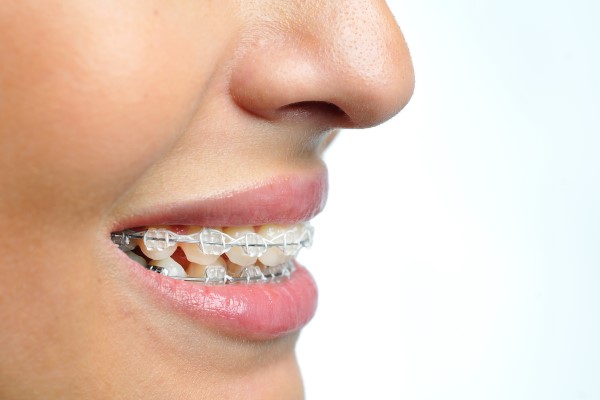
Braces are small metal or ceramic brackets that orthodontists glue onto tooth surfaces. They are attached together using wires and rubberbands of varying strength, color, and size. The point of braces is to put gentle constant pressure on teeth to move them a little at a time. Over a set period, orthodontists will adjust and readjust the braces at each visit until your teeth look and feel properly aligned. Braces are especially helpful for early orthodontics as younger teeth and mouths tend to manipulate more easily and, thus, often feel less discomfort.
Clear aligners
Clear aligners are essentially transparent plastic removable braces. They consist of a series of plastic trays that fit each individual's teeth during each stage while simultaneously performing slight modifications to each tooth's placement and the overall bite. Orthodontists take periodic molds of the teeth and mouth to ensure that the clear aligning trays work properly at each stage. Many people like the idea of these removable trays over fixed braces because they find it easier to care for their teeth and they are not visible, unlike most traditional braces.
Retainers
Retainers are designed to keep teeth in place after braces are removed or clear aligner treatment is finished. They are generally made of metal and plastic or just plastic. Some retainers are removable, and some are not. Fixed retainers are generally strips of metal or plastic that orthodontists bond to the backside of the teeth they are maintaining. Orthodontists also use retainers instead of braces to make one or two minor adjustments, such as closing a single gap between teeth or slightly straightening just one or two teeth at a time rather than an entire bite.
FAQs about early orthodontic treatment
Do you still have questions about early orthodontics? Here are the answers to some frequently asked questions:
1. Is my child a candidate for early orthodontic treatment?
The majority of children are candidates for early orthodontic treatment. The best way to determine if your child could benefit from early treatment is to consult with an orthodontist. During the initial consultation, the orthodontist will examine your child’s teeth and jaw structure and develop a personalized treatment plan.
2. What are the benefits of early orthodontic treatment?
Early orthodontic treatment can provide numerous benefits, including:
- Achieving a more aesthetically pleasing smile
- Correcting problems with bite (occlusion) sooner improves chewings function and speech development
- Reducing the likelihood of more serious dental problems later in life
- Creating more space in the mouth for permanent teeth
- Improving self-esteem
3. What is involved in early orthodontic treatment?
The type of early orthodontic treatment your child receives will depend on their individual needs. Some common treatments used in early orthodontics include:
- Braces: Braces are the most common type of orthodontic treatment. They use metal brackets and wires to move teeth into the proper position gradually
- Retainers: Retainers are often used after braces to hold teeth in their new, correct positions. They can also be used to treat mild cases of misalignment
- Palatal expanders: Palatal expanders are devices used to widen the upper jaw. This helps make room for teeth that are crowded or misaligned
4. How long does early orthodontic treatment take?
The length of early orthodontic treatment will vary depending on the severity of the problem and the type of treatment being used. In general, most early orthodontic treatments take six to 18 months to complete.
5. What is the difference between early orthodontics and interceptive orthodontics?
Early orthodontics is a type of interceptive orthodontics. Interceptive orthodontics refers to any orthodontic treatment that is started before all the permanent teeth have come in. Early orthodontics refers to treatment that is started before a child turns seven years old.
The bottom line
Early orthodontic treatment, particularly in younger, more malleable mouths, is a great way to fix some current alignment problems and prevent worse issues down the road.
Let us help you take the first steps to better alignment. Contact our office today to schedule an early orthodontic consultation for your child.
Request an appointment here: https://www.brooksideorthodontics.com or call Brookside Orthodontics at (209) 732-1124 for an appointment in our Stockton office.
Check out what others are saying about our services on Yelp: Read our Yelp reviews.
Recent Posts
Is your child in need of orthodontic treatment? Choosing the right braces for teens involves balancing their comfort, appearance during treatment, and effectiveness during a critical stage of dental development. There are several options available, each designed to address alignment and bite concerns distinctly.The adolescent years are often ideal for orthodontic treatment because the jaw…
Clear braces offer a more discreet way to straighten teeth while still delivering the consistent control of bracket-and-wire orthodontics. Many patients like that the brackets blend into the smile, which can feel more comfortable for photos, school, and professional settings. Even with a subtle look, treatment still follows a detailed plan to improve alignment and bite…
Corrective braces are ideal for achieving an attractive smile as they can create a symmetric and even smile. This can also provide oral health benefits and reduce the risk of concerns like cavities. In this review, we discuss the basics of corrective braces to help you decide if they may be right for you.Here is…
If you are considering teeth straightening treatment, ceramic braces are one of the options available for you. An orthodontist may suggest braces for many reasons. Thanks to innovations in dental technology, braces, especially more modern versions like ceramic braces, are much more comfortable to wear. Compared to traditional metal braces, ceramic braces are less noticeable…